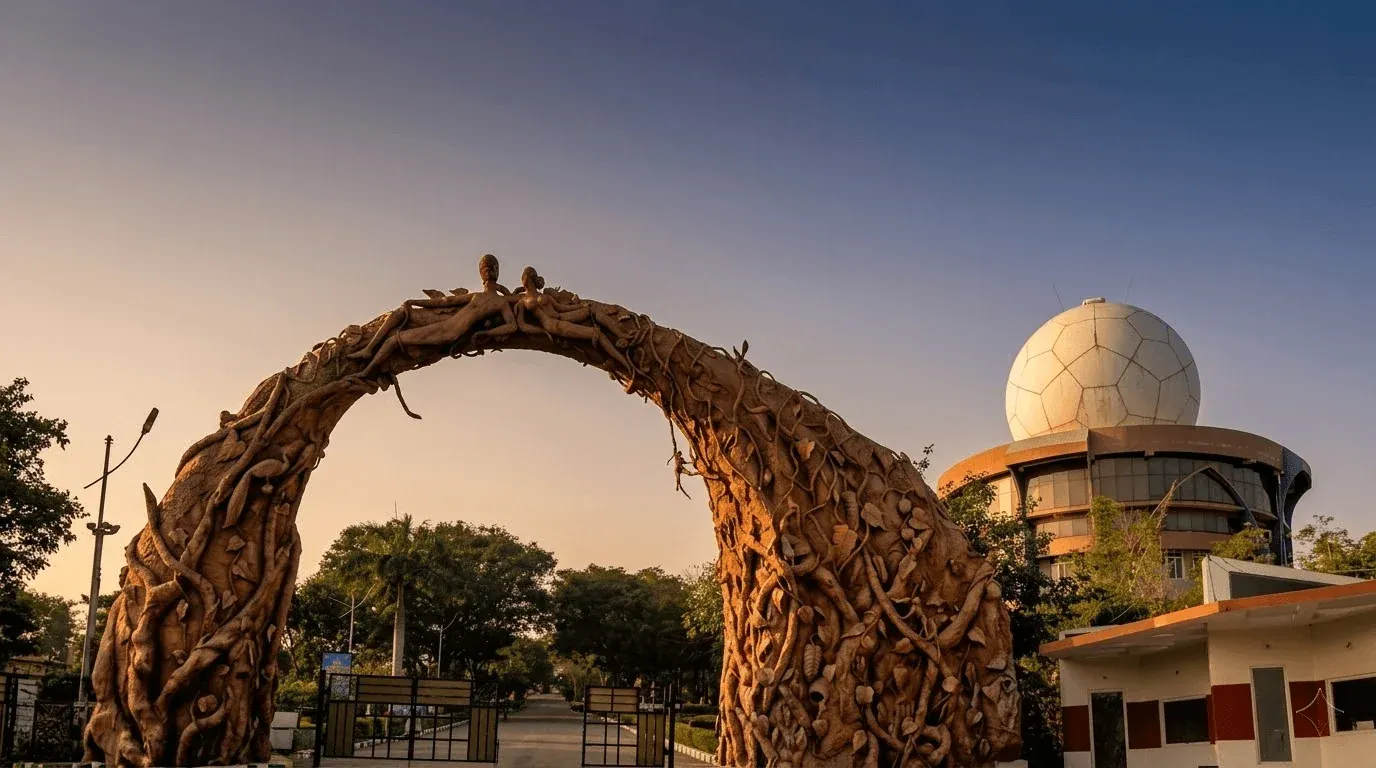
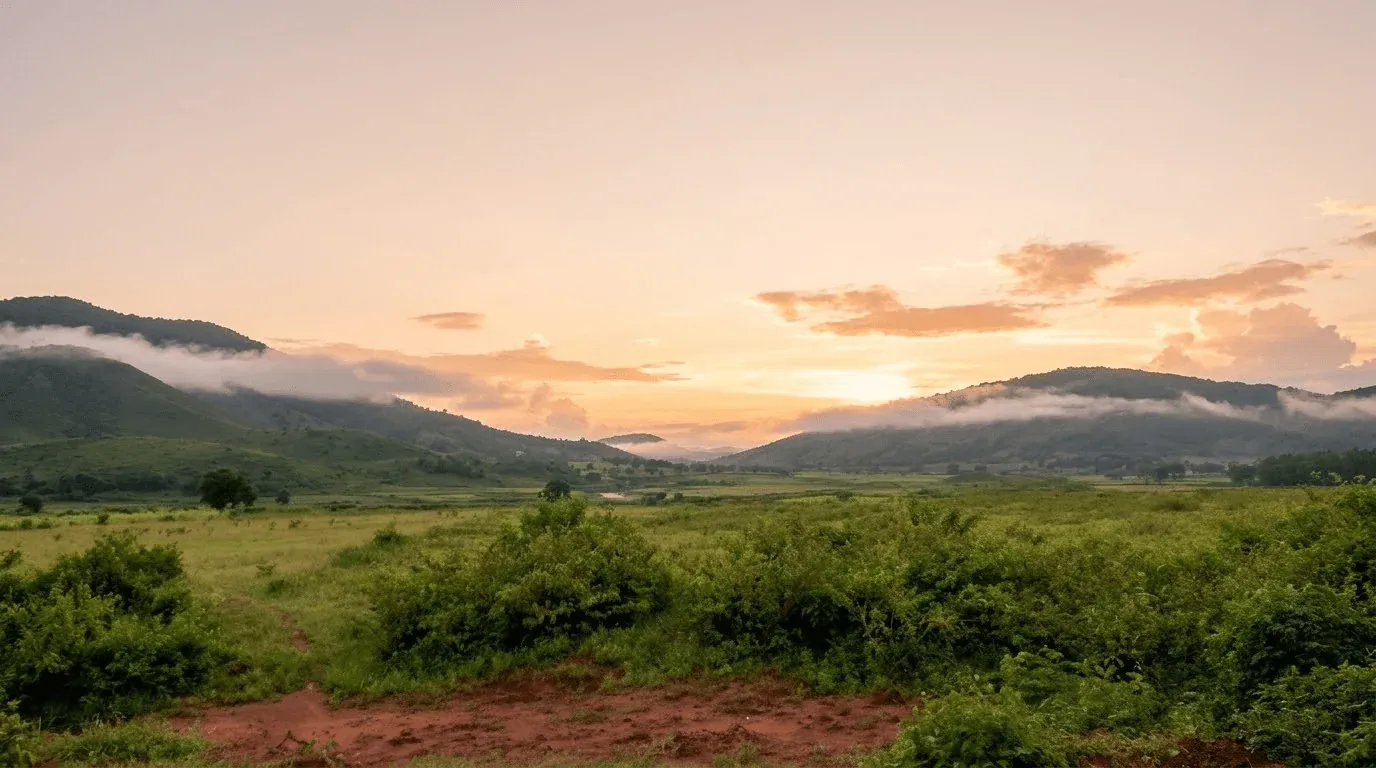
Simhachalam Temple, perched atop Simhachalam Hill at 750 meters above sea level, is one of Andhra Pradesh's most revered ancient shrines dedicated to Lord Narasimha. This 11th-century architectural marvel combines exquisite stone carvings with spiritual significance, drawing devotees from across the country. The temple's unique location offers panoramic views of the Eastern Ghats and Bay of Bengal, creating a divine atmosphere that enhances the spiritual experience.
Simhachalam Temple
Vizag's Sacred Hilltop Sanctuary
A Glimpse into the History of Simhachalam Temple
Ancient Origins and Legends
The temple's origins trace back to the 11th century when it was built by the Eastern Chalukya king Kulottunga Chola. According to legend, the site was chosen by Lord Narasimha himself, who appeared in the dream of a devout devotee named Hiram. The temple gained prominence during the reign of the Chola dynasty and was later expanded by various rulers who recognized its spiritual significance.
Architectural Evolution
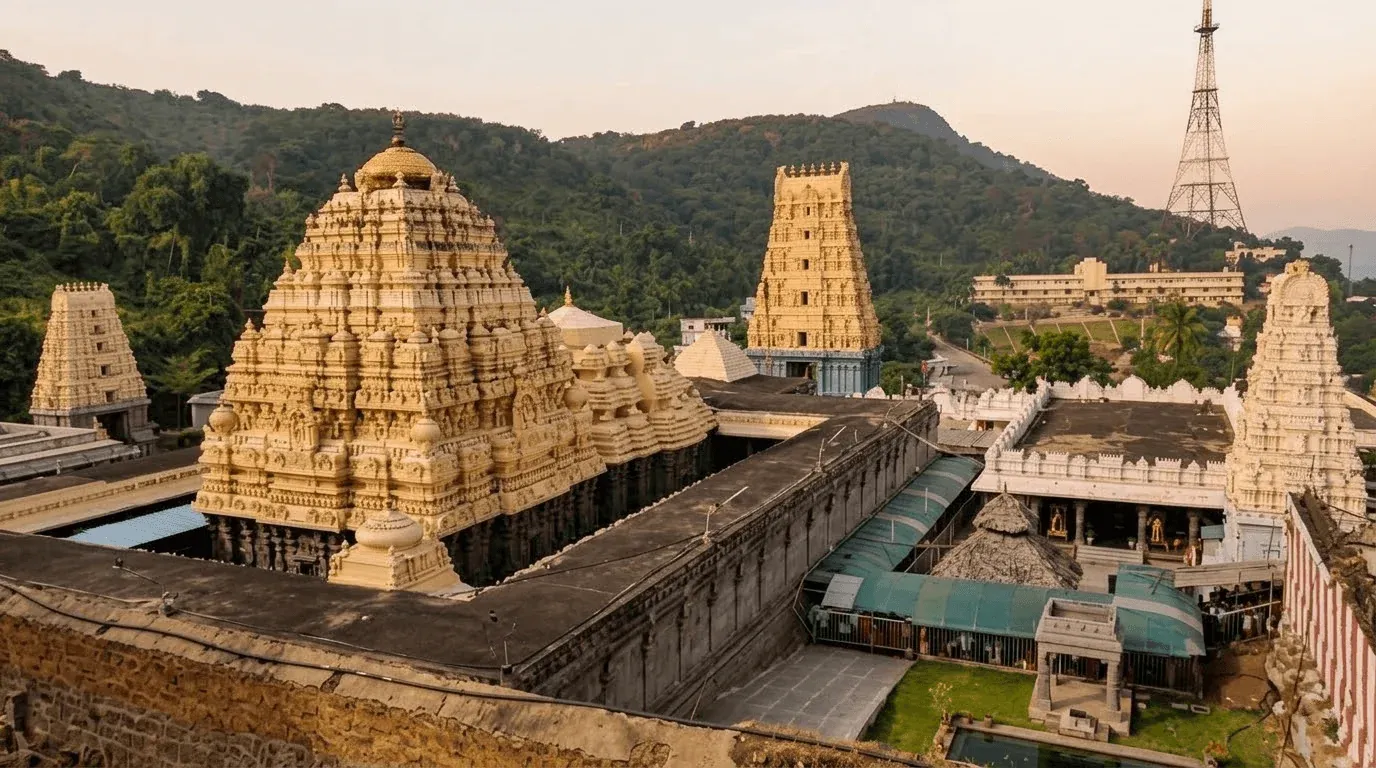
Over the centuries, the temple underwent significant architectural enhancements under different dynasties. The original simple structure evolved into a complex with multiple shrines, mandapas, and ornate gopurams. The Vijayanagara rulers contributed extensively to the temple's grandeur, adding intricate stone carvings and expanding the complex to accommodate growing numbers of devotees.
Modern Preservation
In recent times, the Archaeological Survey of India has taken measures to preserve this ancient heritage site. The temple has been carefully restored to maintain its original architectural integrity while ensuring visitor safety and comfort. Modern amenities have been added without compromising the ancient sanctity and spiritual atmosphere of this sacred place.
Cultural Significance
Simhachalam Temple holds profound cultural significance as one of the eighteen Narasimha Kshetras in India, making it an important pilgrimage site for Vaishnavites. The temple serves as a center for religious education, cultural preservation, and spiritual practices. The annual Chandana Yatra, when the deity's ornate crown is adorned with flowers and precious ornaments, attracts thousands of devotees and showcases the rich cultural traditions of Andhra Pradesh. The temple's architecture represents the pinnacle of Dravidian temple design, with its distinctive pyramidal tower and elaborate stone carvings serving as a living museum of ancient Indian art and culture.
Major Festivals at Simhachalam Temple
Chandana Yatra
The most important festival celebrated in March-April, when the presiding deity Lord Narasimha is adorned with a spectacular floral crown. Devotees from across the country gather to witness this grand ceremony where the deity is bathed in sandalwood paste and decorated with precious ornaments. The temple atmosphere during this time is electrifying with devotional songs and traditional rituals.
Kalyanam of Varaha Lakshminarasimha
Celebrated in May, this festival commemorates the marriage of Lord Narasimha with Goddess Lakshmi. The temple conducts elaborate rituals including the celestial wedding ceremony, attracting devotees seeking blessings for marital harmony and prosperity. The festivities include traditional music, dance performances, and distribution of prasad to all attendees.
Visakha Poornima
Also celebrated in May, this festival marks the appearance of Lord Narasimha to protect his devotee. The temple conducts special pujas and cultural programs throughout the day, with devotees fasting and offering prayers for spiritual protection and blessings. The evening celebrations feature traditional fireworks and devotional music.
Special Highlight: The Living Stone Legacy
What makes Simhachalam Temple truly special is its extraordinary stone architecture that has stood the test of time for over 900 years. The temple features one of the largest monolithic rock carvings in India, with intricate details carved directly from the hill's natural rock formation. The main sanctum houses a massive Shiva lingam that is believed to be self-manifested, adding to the temple's mystical aura. The temple's unique architectural style, with its combination of Chola and Vijayanagara elements, represents the evolution of South Indian temple architecture. The hilltop location provides not just spiritual elevation but also serves as a natural fortress, making the temple both a spiritual sanctuary and an architectural marvel that continues to inspire wonder in visitors.
Travel Guide to Simhachalam Temple
How to Reach Simhachalam Temple
By Air: Visakhapatnam International Airport (VTZ) is located 25 km from the temple, with regular flights from major cities including Hyderabad, Chennai, Delhi, Mumbai, and Bangalore. Taxis and ride-sharing services are readily available at the airport.
By Train: Visakhapatnam Railway Station (VSKP) is situated 16 km from the temple, making it convenient for rail travelers. The station is well-connected to major cities across India including Delhi, Mumbai, Kolkata, and Chennai.
By Road: The temple is accessible via NH16 and internal city roads. APSRTC buses operate regular services from Visakhapatnam city, and private taxis are available for direct temple visits.
Best Time to Visit
The ideal time to visit is from October to March when temperatures range from 18°C to 28°C, providing pleasant weather for temple visits and sightseeing. Early mornings offer clear views and fewer crowds, while evenings provide beautiful sunset vistas. The monsoon season (June-September) brings lush greenery to the surroundings but may make the hill approach challenging.
Local Attractions
Kailasagiri: Just 15 km away, offering panoramic city views.
RK Beach: Located 18 km from the temple, perfect for coastal relaxation.
Araku Valley: A scenic hill station 60 km from the temple.
Tips for Visitors and Travelers
Wear traditional or modest clothing covering shoulders and knees.
Photography allowed in outer areas but restricted inside sanctum.
Carry water and avoid visiting during peak festival crowds.
Remove footwear before entering the temple premises.
Temple Location
Image Gallery